






Safa Marwa Dua (Complete Guide with Arabic, English, Meaning, and How to Perform Sa'i)
 14 Feb 26

Ramadan Fasting Rules for Travelers and Umrah Pilgrims (Islamic Rulings + Practical Guidance)
13 Feb 26







Hajj is not a normal trip. It happens only once a year, and it happens on very specific days. Missing the timing means missing Hajj completely. That is why people start searching for Hajj 2026 dates years in advance. Hajj follows the Islamic calendar, not the normal calendar people use every day. This means the dates change every year. One year Hajj can be in the summer. Another year it can be in winter. Because of this, planning early becomes very important.
Many pilgrims search early because Hajj planning takes time. Flights, visas, health checks, money, and packages all depend on dates. Even a small change of one day can affect travel plans. That is why understanding when Hajj 2026 is, how dates are decided, and what is fixed or flexible helps pilgrims feel more prepared and calm.
When Is Hajj 2026? Estimated and Expected Dates
Hajj 2026 is expected to take place in late May or early June 2026, according to the Gregorian calendar. In Islamic dates, Hajj happens from 8 to 12 or 13 Dhul-Hijjah 1447 AH.
These dates are estimated, not final. The Islamic calendar is lunar, which means it follows the moon. A lunar month begins when the new moon is seen. Because moon sighting can vary slightly, the exact Hajj dates are only confirmed closer to the time. This is why pilgrims often see phrases like Hajj 2026 moon sighting or Hajj dates 2026 Gregorian in searches. People want clarity, but final confirmation comes later.
Saudi authorities officially confirm the dates after the Dhul-Hijjah moon is sighted. Until then, travel plans are made with a small buffer to handle a one-day shift if needed.
Estimated vs Official Hajj 2026 Dates (Gregorian Calendar)
|
Aspect |
Estimated Dates (Saudi-Based, For Planning) |
Official Dates (Saudi-Confirmed) |
|
Hajj Ritual Period |
Late May 2026 (±1 day) |
Confirmed after Dhul-Hijjah moon sighting |
|
Key Hajj Days |
Around 25–30 May 2026 |
Announced by Saudi authorities |
|
Day of Arafah |
Expected around 30 May 2026 |
Official date confirmed after moon sighting |
|
Eid al-Adha |
Expected 31 May or 1 June 2026 |
Official date announced by Saudi Arabia |
|
Possible Date Change |
± 1 day only |
Final and binding |
Note:
Hajj dates are estimated using the Islamic lunar calendar. Saudi Arabia officially confirms the final Hajj 2026 dates after the Dhul-Hijjah moon is sighted, and a one-day change is normal.
Understanding the Islamic Calendar and Moon Sighting
The Islamic calendar is called the Hijri calendar.
What the Islamic (Hijri) Calendar Is
It is based on the moon, not the sun. This differs from the Gregorian calendar, which is the standard calendar used for work, school, and daily life. Because the Hijri calendar follows the moon, its months are shorter and move earlier every year. The Hijri calendar has 12 months, just like the regular calendar, but each month begins in a different way. A month does not start on a fixed date. It only starts when the new moon is confirmed.
This is why Islamic dates, including Hajj, change every year.
What Moon Sighting Means
Moon sighting means confirming that the new moon has appeared in the sky. Religious authorities check this either by seeing the moon with the eye or by using trusted scientific tools. Once the moon is confirmed, the new Islamic month officially begins. This process has been followed for hundreds of years. It is not random and not outdated. It is an important part of how Islamic worship is organised.
Because of this system, dates for major events like Hajj cannot be fully confirmed far in advance.
Why Hajj 2026 Moon Sighting Matters
Hajj takes place in the Islamic month of Dhul-Hijjah. This means the start of Hajj depends completely on when the Dhul-Hijjah moon is sighted. That is why people search for Hajj 2026 moon sighting updates. Until the moon is confirmed, all Hajj dates remain estimates. This is normal and happens every single year. A possible one-day change does not affect the rituals or their order.
When Official Hajj Dates Are Announced
Saudi Arabia usually announces the official Hajj dates a few days before the start of Dhul-Hijjah. This announcement applies to all pilgrims worldwide. Even experienced pilgrims wait for this confirmation every year. This short waiting period does not mean poor planning. It is simply how the Islamic calendar works. Hajj operators, airlines, and authorities are all used to this system and plan around it.
What Pilgrims Should Do While Dates Are Unconfirmed
While awaiting official confirmation, pilgrims should remain calm and prepared. Most experienced Hajj operators already plan with flexibility in mind. Small date changes are expected and managed easily. Booking flexible flights helps protect travel plans. Most importantly, pilgrims should avoid panic over small date shifts, because the core Hajj rituals never change.
Complete Hajj 2026 Timeline: Day-by-Day Breakdown
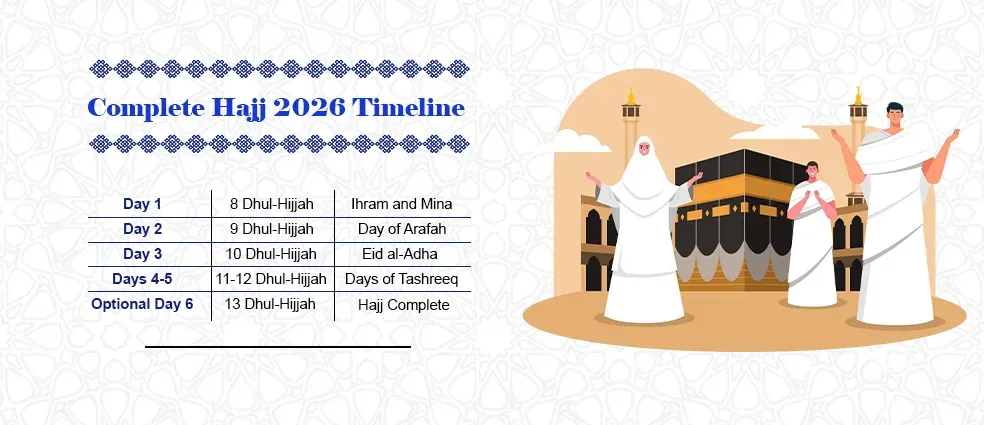
Hajj rituals happen over five to six days. Each day has a clear purpose and meaning.
Day 1: 8 Dhul-Hijjah - Ihram and Mina
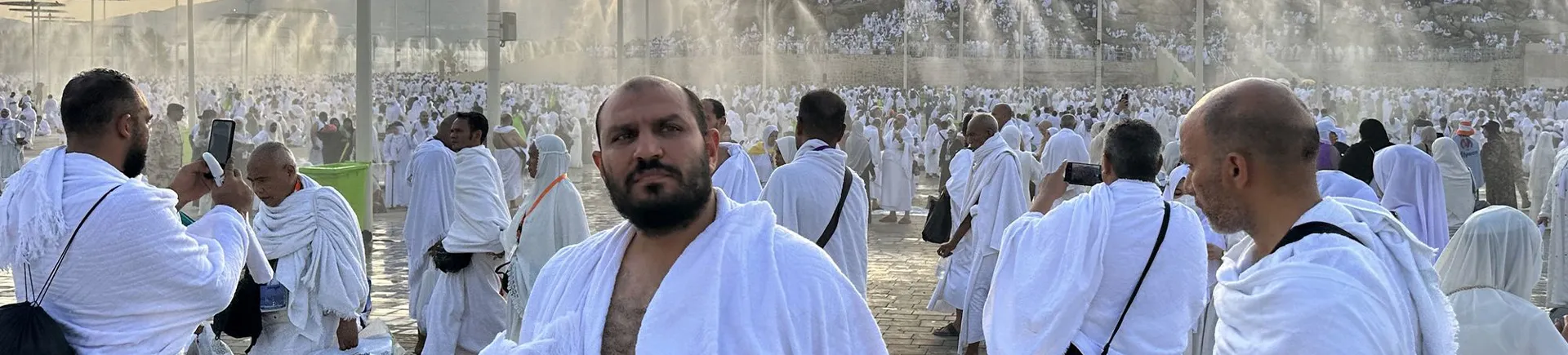
On this day, pilgrims enter Ihram. Ihram is a sacred state, not just clothing. It means entering a state of purity, intention, and focus on worship. Pilgrims then travel to Mina, a tent city near Makkah. Mina is where pilgrims stay and pray. The day is calm and focused. It prepares the heart and mind for the main rituals.
Day 2: 9 Dhul-Hijjah - Day of Arafah
This is the most important day of Hajj. Pilgrims gather at Arafah and spend hours in prayer. This act is called Wuquf, which means standing before Allah in supplication. Many scholars say that without Arafah, there is no Hajj. After sunset, pilgrims move to Muzdalifah and rest under the open sky.
Day 3: 10 Dhul-Hijjah - Eid al-Adha
This day is both joyful and intense. It includes:
- Rami, which means throwing stones at symbolic pillars.
- Qurbani, the sacrifice of an animal.
- Halq or Qasar, shaving or trimming hair.
- Tawaf al-Ifadah, circling the Kaaba.
This day also marks Eid al-Adha, one of the most important Islamic festivals.
Days 4-5: 11-12 Dhul-Hijjah - Days of Tashreeq
Pilgrims stay in Mina and repeat the stoning ritual. These days are structured but calmer. Life in Mina involves prayer, rest, and reflection. Some pilgrims leave after the 12th. Others stay an extra day.
Optional Day 6: 13 Dhul-Hijjah
Those who stay longer perform the final stoning ritual. This completes the core Hajj actions.
When Does Hajj 2026 Officially End?
Hajj officially ends after pilgrims complete Tawaf al-Wada, also called the farewell tawaf. This is the last circling of the Kaaba before leaving Makkah. Most pilgrims finish rituals by the 12th or 13th of Dhul-Hijjah. Departure usually occurs within 1 to 3 days after that. This is why Hajj 2026 travel dates often extend beyond ritual days.
How Hajj 2026 Dates Affect Travel Planning
Hajj days are short, but the trip is longer. Most pilgrims arrive 5 to 10 days before Hajj. This allows time to rest, adjust, and prepare.
Departure is usually 2 to 5 days after Hajj. This buffer helps with crowds and flight availability.
So while Hajj rituals last around 5 days, the full trip often lasts 14 to 21 days. This difference is important when booking leave from work or planning finances.
Hajj 2026 Planning Tips for Pilgrims
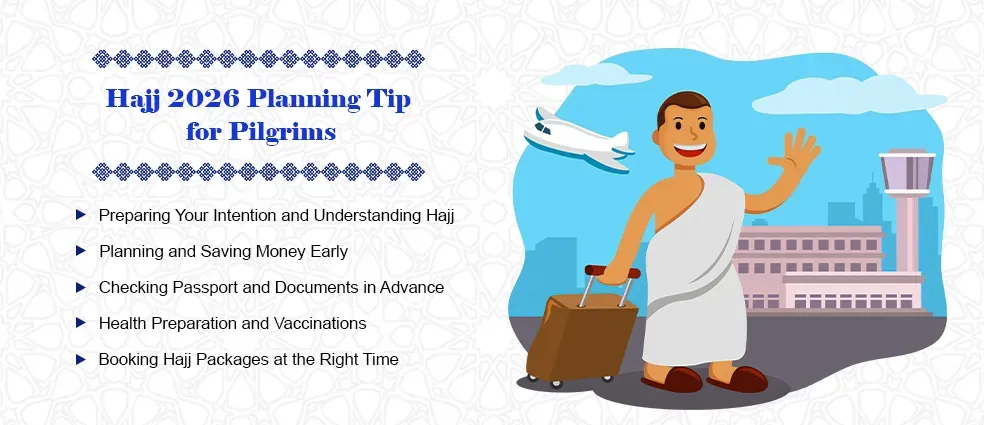
Planning for Hajj should never feel rushed. It is a once-in-a-lifetime journey for many people, and starting early makes everything smoother. For Hajj 2026, most pilgrims should begin preparing 12 to 18 months in advance so nothing feels confusing or stressful later.
Preparing Your Intention and Understanding Hajj
The first step in Hajj planning is not paperwork or money. It is an intention. Hajj is an act of worship, and understanding what it involves helps pilgrims feel ready. Many people begin by learning the meaning of the rituals and the flow of the days. Reading simple guides, listening to talks, or speaking with people who have already completed Hajj helps build clarity.
Planning and Saving Money Early
Hajj involves many costs, and prices usually rise closer to the travel year. Saving early makes this easier. Instead of worrying about a large amount later, pilgrims can prepare slowly over time. Money planning should include the Hajj package, flights, daily needs, and a small extra amount for emergencies.
Checking Passport and Documents in Advance
Passport checks should happen early. Many people forget this step and face delays later. Passports usually need to be valid for at least six months after travel. If a passport needs renewal, it is better to do it well in advance. Name spellings and personal details should match official records to avoid problems during visa processing.
Health Preparation and Vaccinations
Health preparation is a key part of Hajj planning. Millions of pilgrims gather in one place, which makes health safety very important. Authorities require certain vaccinations, including the meningitis vaccine, to protect everyone. Pilgrims should also check their general health, especially if they have long-term conditions.
Booking Hajj Packages at the Right Time
Hajj packages usually open many months before the journey. Booking early gives more choices and better preparation time. It also allows pilgrims to plan leave from work and family responsibilities more easily. Early booking brings peace of mind. When major arrangements are settled, pilgrims can focus on spiritual preparation instead of logistics.
Guidance for First-Time Pilgrims Planning Hajj 2026
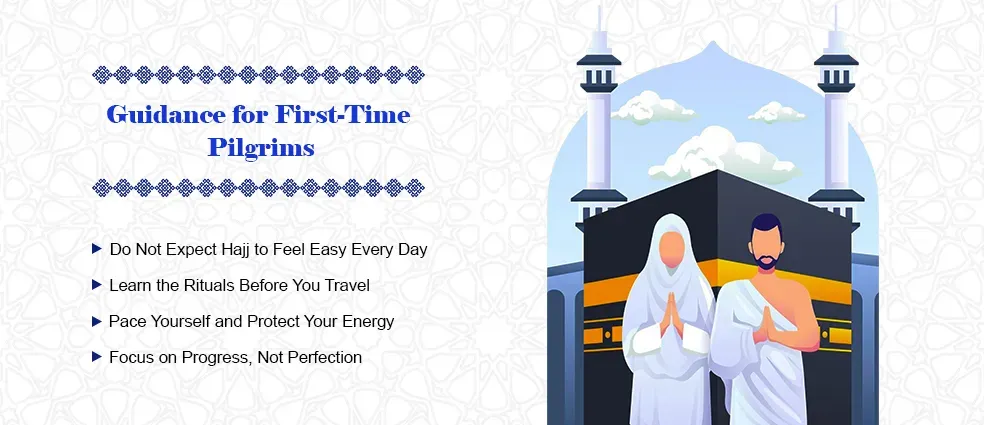
Is this your first time? Don't worry, we're here to help.
Do Not Expect Hajj to Feel Easy Every Day
Many first-time pilgrims imagine Hajj as peaceful and calm all the time. In reality, Hajj can be physically tiring and emotionally intense. There are long walks, large crowds, and moments of waiting. This does not mean something is wrong. These challenges are part of the experience. Knowing this in advance helps first-time pilgrims stay patient and grounded instead of feeling overwhelmed.
Learn the Rituals Before You Travel
First-time pilgrims often feel stressed because the rituals are new and unfamiliar. Learning the steps early makes a big difference. Watching simple videos, reading basic guides, or attending short classes helps build confidence. When pilgrims know what comes next, they feel calmer and more focused during Hajj. This allows more attention to worship instead of instructions.
Pace Yourself and Protect Your Energy
Hajj is not a race. Many first-time pilgrims try to do everything quickly and end up exhausted. Moving slowly, resting when needed, and listening to the body helps avoid burnout. Using support services, drinking enough water, and taking short breaks are not signs of weakness. They help pilgrims complete Hajj safely and comfortably.
Focus on Progress, Not Perfection
Many first-time pilgrims worry about making mistakes. Small errors happen, and they do not cancel Hajj. What matters most is intention and effort. Hajj is about humility, patience, and learning. First-time pilgrims should allow themselves grace and focus on sincerity rather than perfection.
Common Mistakes Pilgrims Make When Planning Hajj Dates
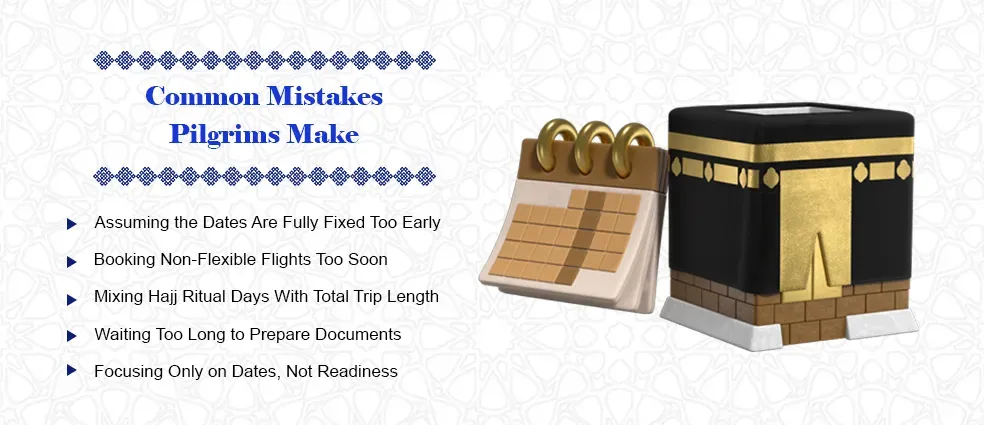
Please don't make these mistakes.
Assuming the Dates Are Fully Fixed Too Early
One common mistake is believing that Hajj dates are locked in years ahead. Many pilgrims see estimated dates online and treat them as final. When a one-day shift happens due to moon sighting, they feel confused or stressed. Understanding early that Hajj dates are always confirmed closer to the time helps manage expectations. This small flexibility is normal and part of Islamic tradition, not a problem.
Booking Non-Flexible Flights Too Soon
Some pilgrims book flights that cannot be changed or adjusted. This can cause stress if dates shift slightly. Even a one-day difference can affect arrival or departure plans. Choosing flexible tickets or working with Hajj operators who plan buffers helps avoid unnecessary worry. A little flexibility goes a long way during Hajj planning.
Mixing Hajj Ritual Days With Total Trip Length
Another common mistake is thinking Hajj only lasts five days in total. The rituals take five to six days, but the journey itself is much longer. Pilgrims need time to arrive, rest, prepare, and recover after Hajj. Forgetting this can lead to rushed travel plans or unrealistic leave from work.
Waiting Too Long to Prepare Documents
Some pilgrims delay passport renewal, vaccinations, or basic paperwork, assuming there is plenty of time. This often leads to last-minute pressure. Starting document preparation early gives peace of mind. It also allows time to fix small issues without panic.
Focusing Only on Dates, Not Readiness
Dates are important, but readiness matters more. Some pilgrims focus heavily on calendars and timelines while ignoring mental, physical, and spiritual preparation. Hajj is demanding. Preparing the body, learning the rituals, and building patience early helps pilgrims handle the journey better when the time comes.
Final Thoughts
Hajj is a journey of the heart before it is a journey of the body. Knowing the Hajj 2026 dates, understanding how moon sighting works, and planning with care allows pilgrims to focus on worship instead of worry.
Dates will be confirmed officially closer to the time. Until then, preparation, patience, and trust are the best tools. With the right planning, Hajj 2026 can be approached with confidence, clarity, and peace.
FAQs
Why doesn't Saudi Arabia fix the Hajj dates years in advance?
Because Hajj follows the moon, not a fixed calendar. The moon cannot be confirmed years ahead. Islam requires the month to begin only after the moon is sighted, so dates must wait for that confirmation.
If the moon is not sighted, does Hajj get delayed?
No. Hajj does not get delayed randomly. If the moon is not seen on the expected night, the previous month simply completes 30 days. This only shifts dates by one day, not more.
Why do Hajj dates sometimes differ from Umrah dates?
Hajj happens only in Dhul-Hijjah. Umrah can happen most of the year. Because they follow different months and rules, their dates do not always line up.
Can moon sighting be different in other countries?
Yes, but for Hajj, it does not matter. Hajj dates follow Saudi Arabia's moon sighting only, not the moon sighting in other countries. All pilgrims follow the same official Saudi dates.
What happens if flights are booked before dates are confirmed?
Good Hajj operators already expect this. Flights are booked with flexibility or buffers. A one-day shift is planned and usually does not cause problems.
Does moon sighting affect the order of Hajj rituals?
No. The order of rituals never changes. Only the calendar date may move slightly. The steps of Hajj stay exactly the same every year.
Why do some websites show the exact Hajj 2026 dates early?
Those are estimated dates, not final ones. They are helpful for planning, but should not be treated as official until Saudi Arabia confirms them.
Is it risky to plan Hajj before official dates are announced?
No, not if planning is done correctly. Millions of pilgrims plan early every year. The key is using experienced operators and allowing some flexibility in travel dates.
Will Eid al-Adha always fall during Hajj?
Yes. Eid al-Adha always falls on 10 Dhul-Hijjah, which is one of the main Hajj ritual days. That never changes.
Does moon sighting affect Hajj visas?
No. Visa processing follows estimated timelines. Official dates are confirmed before visas are finalised, so pilgrims are not affected.